
What Dark Did You Conquer?
Now, every time I witness a strong person, I want to know: What dark did you conquer in your story Mountains do not rise without earthquakes. ~ Katherine MacKenett

Now, every time I witness a strong person, I want to know: What dark did you conquer in your story Mountains do not rise without earthquakes. ~ Katherine MacKenett
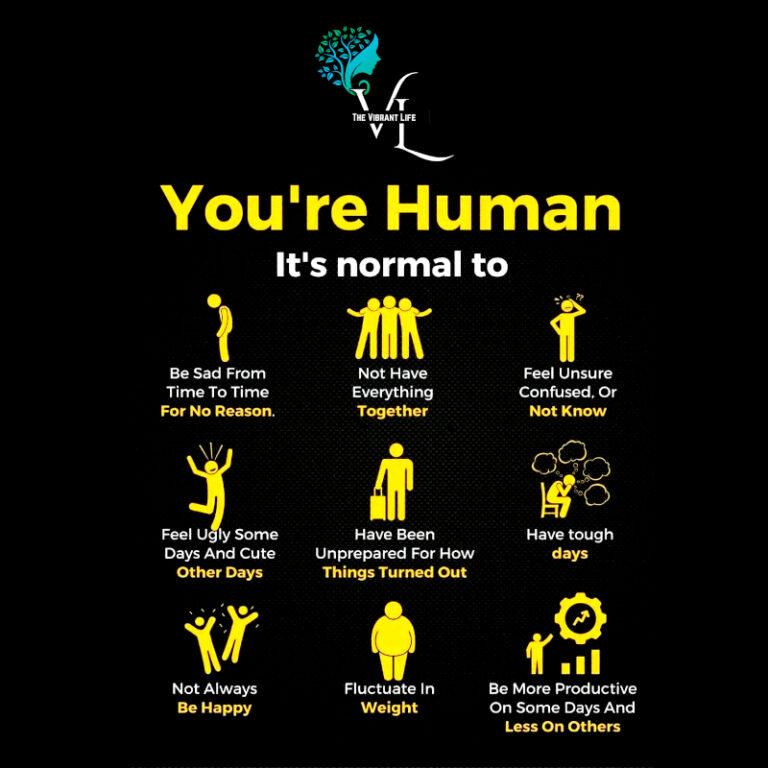
It’s normal to:
Be sad from time to time for no reason.
Not have everything together.
Feel unsure, confused, or not know.
Feel ugly some days and cute other days.
Have been unprepared for how things turned out.
Have tough days.
Not always be happy.
Fluctuate in Weight.
Be more productive on some days and less on others.
The difference between the impossible and the possible lies in determination. ~ Usain Bolt
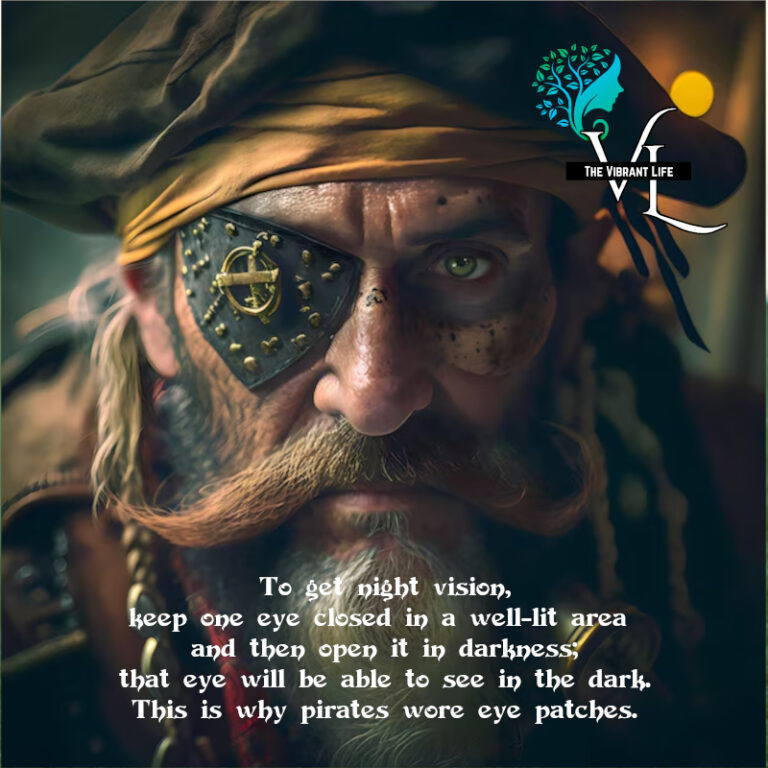
To get night vision, keep one eye closed in a well-lit area and then open it in darkness; that eye will be able to see in the dark. This is why pirates wore eye patches.
I learned a long time ago the wisest thing I can do is be on my own side. ~ Maya Angelou
He lives. Not only then, but now; not just for some, but for all. ~ Gerrit W. Gong
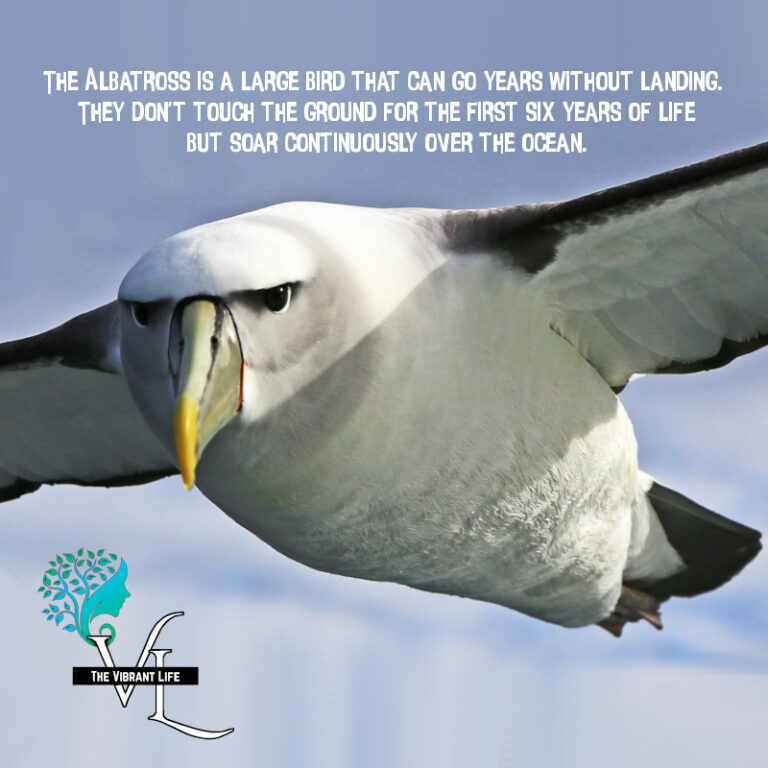
The Albatross is a large bird that can go years without landing. They don’t touch the ground for the first six years of life but soar continuously over the ocean.
No matter what happens in life. You can start over. You can continue to grow. You will thrive.

Now, I don’t know about you, but just thinking about cheese instantly makes me smile. And if you’re a fellow meat lover, like me, we’re speaking the same language! So let’s picture that middle layer of lasagna—it’s comforting, it’s rich, it’s the part that satisfies your soul. That’s what this episode is all about: the people who fill us up, who make life so much better just by being in it. These are the people who leave you wondering if they’re angels in disguise. And yet, even though it’s easy to love them, how often do we stop to intentionally love them back? That’s what it’s all about today.
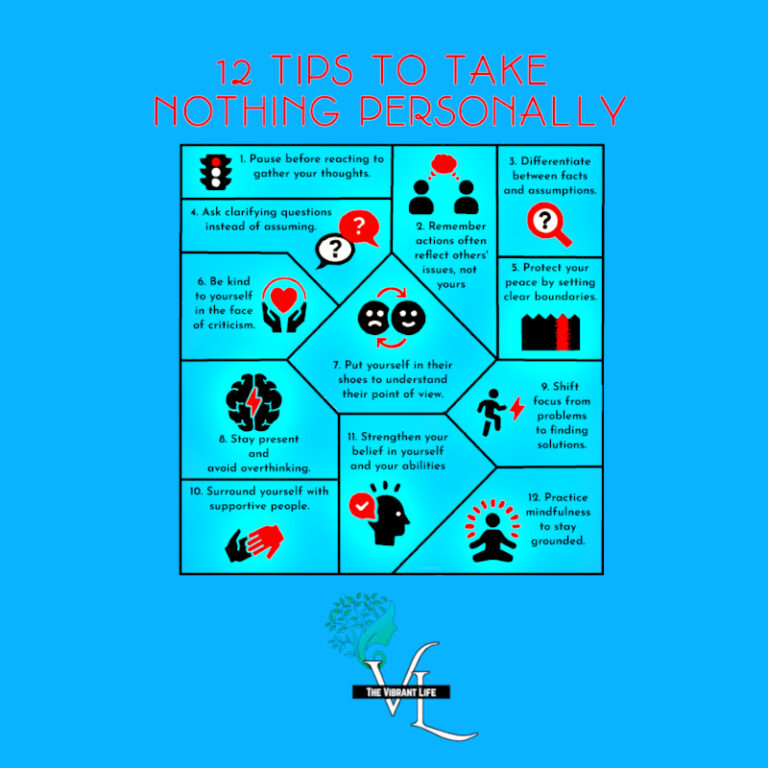
1. Pause before reacting to gather your thoughts.
2. Remember actions often reflect others’ issues, not yours.
3. Differentiate between facts and assumptions.